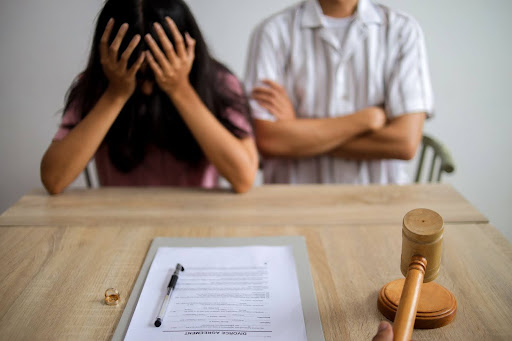

Divorce process in British Columbia
Deciding to end a marriage is one of the most challenging chapters in a person’s life. Beyond the emotional weight, the legal process can feel like a maze of paperwork and deadlines. In British Columbia, the divorce process is governed by the federal Divorce Act and the provincial Supreme Court Family Rules. Whether you and your spouse agree on everything or are facing significant disputes, understanding the path ahead is the first step toward a fresh start.
1. Meeting the Requirements
Before you can file for divorce in BC, you must meet two primary criteria:
• Residency: Either you or your spouse must have lived in British Columbia for at least one full year immediately before filing the claim.
• Grounds for Divorce: You must prove that your marriage has broken down. In most cases, this is proven by being separated for one year. While adultery and cruelty are also grounds, they are harder to prove and often require a court hearing.
You can start the court process the day you separate, but the judge will not grant the final divorce order until the one-year separation mark has passed.
2. Contested vs. Uncontested Divorce
The complexity of your case depends on whether your spouse defends the claim.
• Uncontested Divorce: If you and your spouse agree on all terms (parenting, support, and property), or if your spouse does not respond to your filing, you can apply for a Desk Order or Uncontested Divorce. This is a paper-based process that rarely requires you to see a judge in person.
• Contested Divorce: If there are disagreements over assets, debt, or children, the process involves more steps, including financial disclosure, judicial case conferences, and potentially a trial.
3. The Step-by-Step Process
Step 1: Filing the Notice of Family Claim
The process begins by filing a Notice of Family Claim in the BC Supreme Court. This document outlines what you are asking for not just the divorce, but also any orders for child support, spousal support, or the division of assets.
Step 2: Serving the Documents
Once filed, the documents must be personally served to your spouse. This means a third party must hand the papers directly to them to ensure they have legal notice of the proceedings.
Step 3: Waiting Period
After being served, your spouse has 30 days to file a Response to Family Claim.
• If they don't respond, you can proceed with an uncontested divorce.
• If they do respond, the case becomes contested, and negotiations or further court steps begin.
Step 4: The Desk Order Application (Uncontested)
If the divorce is uncontested, you will submit a package of affidavits to the court. A judge reviews these at their desk to ensure everything is in order, specifically that reasonable arrangements have been made for any children involved.
Step 5: The Divorce Order
If the judge is satisfied, they sign the Divorce Order. However, you aren't legally single just yet. There is a mandatory 31-day waiting period after the order is signed before the divorce becomes final. This allows time for a potential appeal.
4. Why Child Support Matters Most
In BC, the court has a duty to ensure children are provided for. Even if both parents agree to a divorce, a judge will refuse to grant it if child support does not align with the Federal Child Support Guidelines. Providing clear financial information is non-negotiable when children are involved.
Moving Forward
A divorce is more than just a piece of paper; it is the legal restructuring of your life. While the Desk Order process is the most efficient path, complex assets or sensitive parenting issues often require the steady hand of a legal professional.
Are you considering a separation or ready to file for divorce? Our team is here to help you navigate the BC Supreme Court system with clarity and compassion. Contact us today for a consultation.